Dance Costumes through the Ages: A Visual Journey
Dance is not just about movement; it’s about storytelling, emotion, and expression. And when we think about dance, we can’t help but picture the incredible costumes that bring performances to life. From the flowing robes of ancient rituals to the glittering tutus of ballet, dance costumes have evolved dramatically; Reflecting cultural shifts, artistic trends, and technological advances. Let’s take a visual journey through the history of dance costumes and explore how they have transformed over time.
Ancient Times: Ritual & Celebration
 Dance in ancient cultures was often tied to rituals, religious ceremonies, or communal celebrations. In ancient Egypt, dancers wore simple garments made of linen, often decorated with jewelry or headpieces to symbolize different gods or deities. In Greece, flowing tunics called chitons allowed dancers freedom of movement during religious festivals and theatrical performances. These early costumes were functional, yet deeply symbolic, reflecting the importance of dance in sacred and communal life.
The Renaissance: Courtly Elegance
 As dance became more formalized during the Renaissance, particularly in the courts of Italy and France, costumes grew increasingly elaborate. Male dancers wore tunics, breeches, and cloaks, while female dancers donned gowns with voluminous skirts. Corsets were common, even on stage, which restricted movement but emphasized the refined and aristocratic nature of court dances. Fabrics like velvet, silk, and lace, adorned with jewels and embroidery, were used to display wealth and status. Dance at this time was more about elegance and social grace than athleticism, and the costumes reflected this. Think – Bridgerton but less pastels!
18th Century: The Birth of Ballet
 Ballet emerged as a popular form of dance in the late 17th and early 18th centuries, particularly in France under King Louis XIV, who was an avid dancer himself. As ballet became more codified, the costumes also evolved. Male dancers wore breeches, tights, and jackets, while female dancers began to wear lighter, shorter skirts that allowed for more movement. One of the most iconic figures of this era was Marie Camargo, who shortened her skirts to showcase her footwork, thus marking the beginning of the ballet costume’s transformation towards functionality.
19th Century: The Romantic Tutu
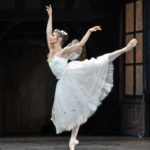 OOOO this is one of our faves!! The 19th century saw the rise of the Romantic era in ballet, characterized by ethereal themes, delicate movements, and dreamy storytelling. The costumes of this time reflected these themes. The romantic tutu, a long, flowing skirt made of layers of tulle, became the standard for ballerinas. One of the most famous costumes of this era is the white tutu worn by the dancers in La Sylphide and Giselle, which gave them an otherworldly, ghost-like appearance. This period also saw the introduction of pointe shoes, allowing dancers to appear weightless and enhancing the magical quality of their performances.
Early 20th Century: Modernism and Innovation
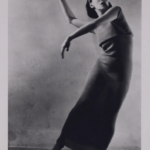 The early 20th century brought radical changes in both dance and costume design, as choreographers like Isadora Duncan and Martha Graham pushed the boundaries of traditional ballet. Rejecting the restrictive tutus and corsets, they embraced more natural, flowing fabrics that allowed the body to move freely. Duncan often danced barefoot in loose, Greek-inspired tunics, while Graham’s revolutionary technique was paired with costumes that emphasized the body’s lines and muscle movements.
At the same time, Russian impresario Sergei Diaghilev’s Ballets Russes brought avant-garde art and fashion into the world of ballet. Collaborating with artists like Pablo Picasso and Coco Chanel, the Ballets Russes costumes were bold, colorful, and unconventional, reflecting the modernist spirit of the time.
Mid 20th Century: Hollywood Glamour and Broadway Glitz
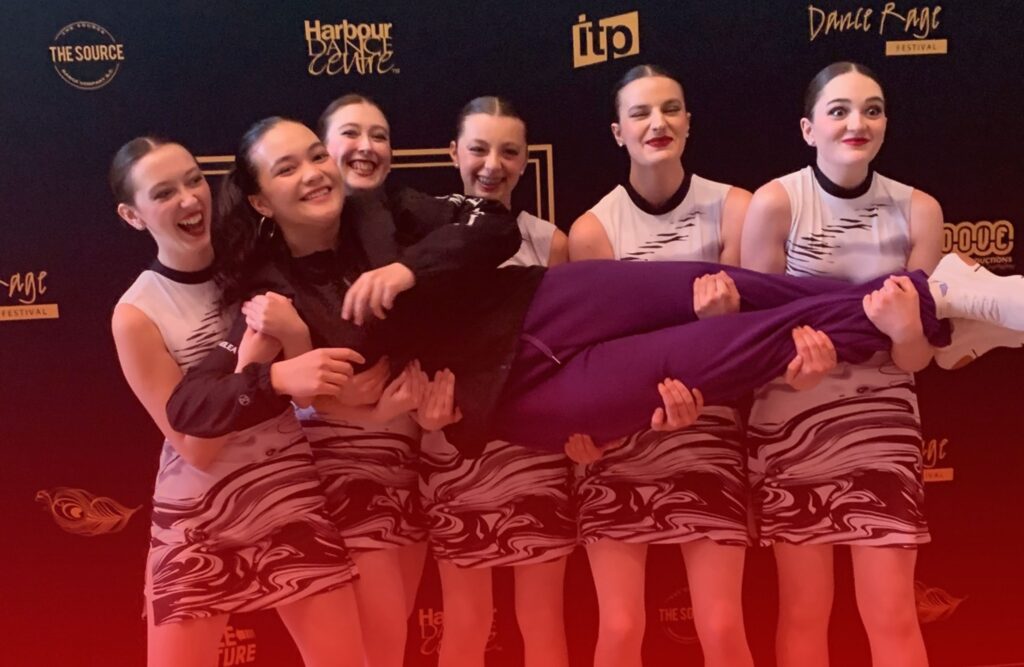
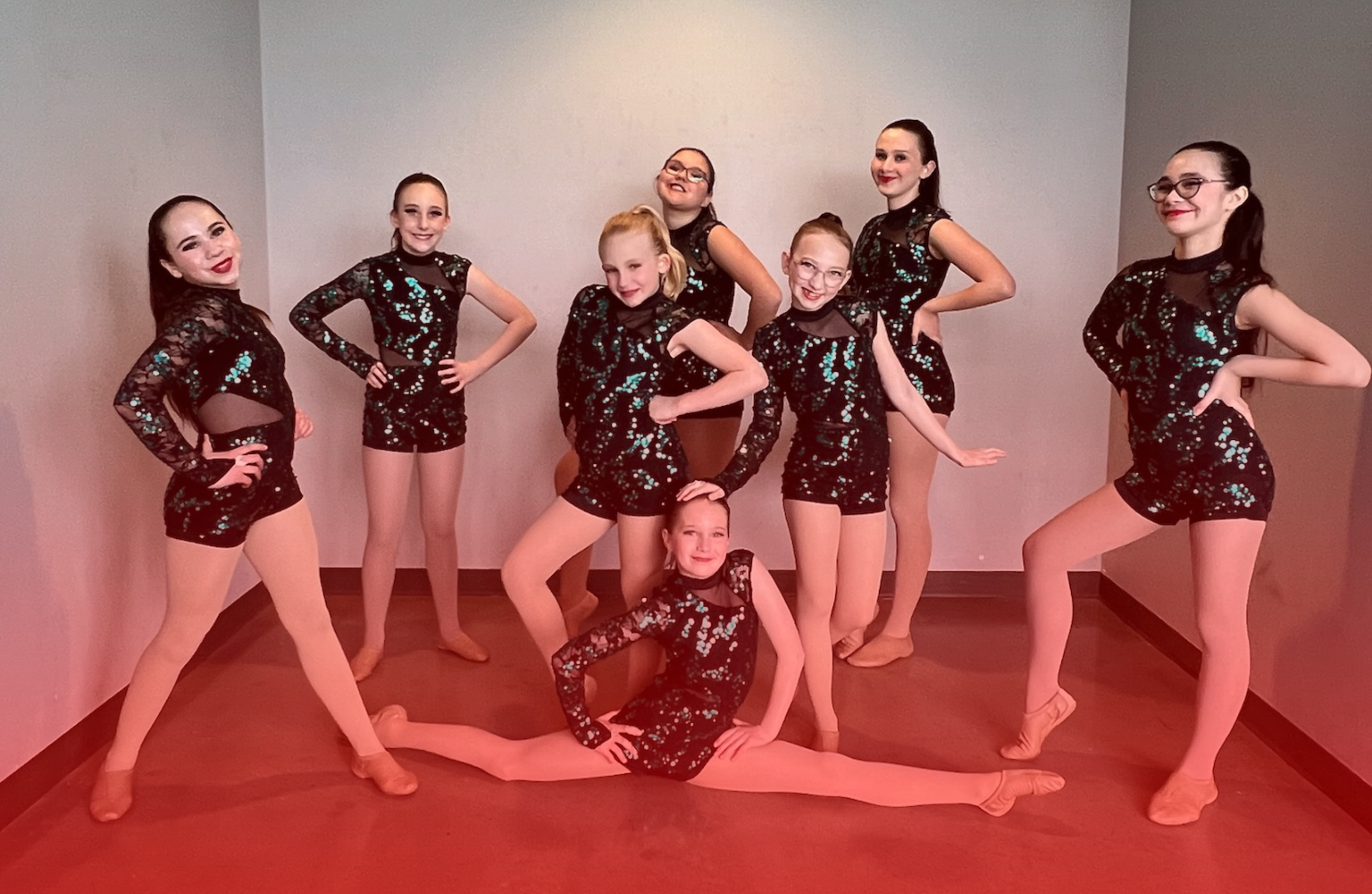
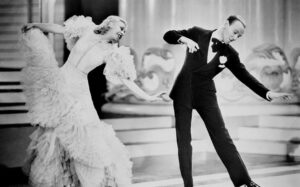 As dance began to permeate popular culture through Hollywood musicals and Broadway shows, dance costumes took on a new level of glamour and glitz. Sequins, feathers, and rhinestones became staples in the world of tap, jazz, and show dance. Iconic figures like Fred Astaire and Ginger Rogers dazzled audiences with their elegant ballroom attire, while musicals like West Side Story introduced streetwear-inspired costumes that matched the grit and energy of the choreography. Thank you Jerome Robbins!
In contrast, classical ballet costumes remained largely traditional, with the classical tutu—shorter and stiffer than the romantic tutu—becoming the symbol of prima ballerinas in productions like Swan Lake and The Nutcracker. Sometimes, you don’t change what works!
Contemporary Dance: Fusion and Functionality
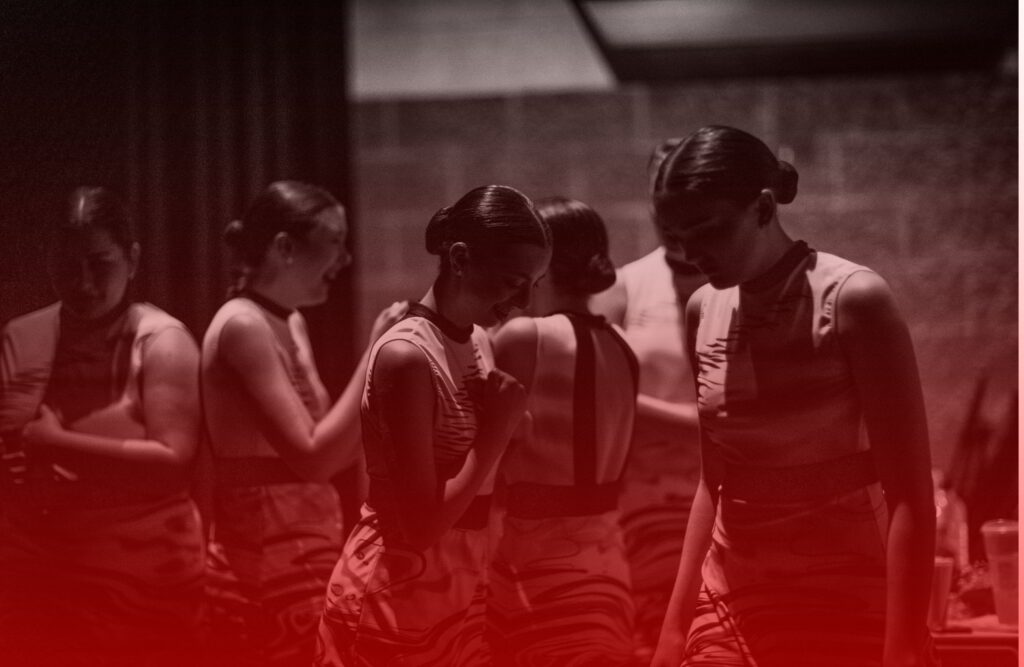
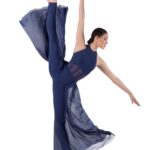 Today’s dance world is a fusion of styles, and costumes reflect that diversity. Contemporary dance costumes are often minimalistic, emphasizing the dancer’s body and movement rather than elaborate designs. Stretch fabrics like lycra, spandex, and mesh have become popular for their flexibility, allowing dancers to execute complex movements without restriction. Costumes in contemporary dance can range from streetwear to avant-garde designs, depending on the choreographer’s vision.
Meanwhile, ballet companies have also embraced innovation, collaborating with fashion designers to update traditional costumes. Ballets like Christopher Wheeldon’s Alice’s Adventures in Wonderland feature bold, whimsical designs, proving that the world of dance costumes is as imaginative as ever.
The Future of Dance Costumes: Sustainability and Technology
Looking ahead, the future of dance costumes will likely be shaped by advancements in technology and a growing focus on sustainability. Some designers are already experimenting with eco-friendly fabrics, 3D-printed costumes, and even wearable technology that reacts to a dancer’s movements. We re-use many of our costumes to be as environmentally conscious as possible and make use of what we have! As the dance world continues to evolve, so too will the costumes, blending tradition with innovation to create visually stunning performances.
Conclusion: Dance Costumes are AWESOME
Dance costumes are more than just fabric and embellishments; they are integral to the art of dance itself, shaping the way we experience performances. From ancient rituals to cutting-edge contemporary pieces, the evolution of dance costumes tells a fascinating story of cultural, artistic, and technological progress. Whether adorned with jewels or designed for simplicity, these costumes will continue to captivate and inspire us for generations to come.